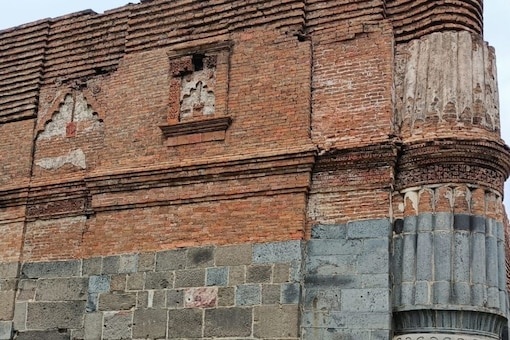
Beneath the grand Adina Mosque of Pandua lies a forgotten past: the colossal Adinath Mandir, a Shaivite shrine whose sacred stones were repurposed centuries ago. Its carvings, symmetry, and local memory speak of Bengal’s lost Hindu architectural heritage
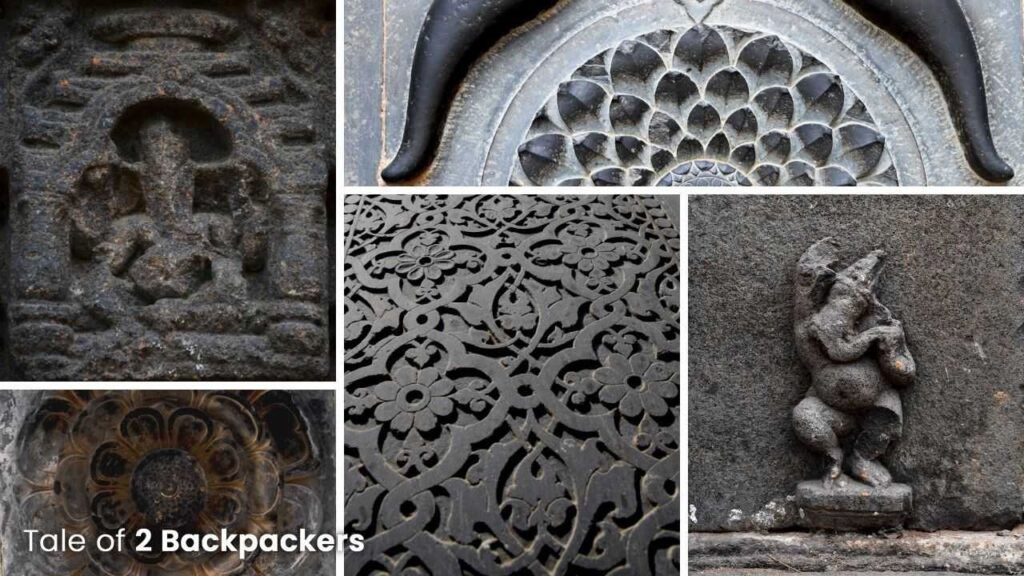
In the quiet fields of Pandua (West Bengal), sixteen kilometres north of Malda town, stands the colossal ruin of what official history calls the Adina Mosque, a fourteenth-century monument often hailed as Bengal’s largest Islamic structure. But among the people of Pandua, another, older truth persists. They know this not as a mosque, but as the Adinath Mandir, the Mandir of Bhagwan Shiva in his primordial form, Adinath. And when one looks closely at the stones, the carvings, the symmetry, and the very spirit of the place, it becomes impossible to ignore the evidence: what is celebrated today as a mosque was, in fact, once the grand Adinath Mandir, one of Bengal’s lost Shaivite shrines.
Leave a Reply